

Starter, Alternator or Battery Replacement
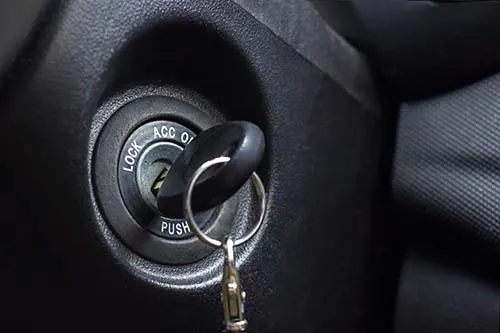
Has this ever happened to you? We put the key/fob in the ignition switch to start the car and hear that awful sound…..sounds like something is sick under the hood. The engine is barely turning over and then at the last moment….it roars to life!
Whew! That was close! Your car is really trying to tell you something before you get stranded somewhere.
It’s time for a Starting System Checkup.
Your starting system is composed of three very important parts that have to work together in harmony to keep your vehicle safe, dependable and fun to drive. That’s a good thing, right?
Battery
The first part in this Starter System Checkup is the battery. Without a fully charged battery to start the engine, not much else will work in your car. Maybe you have noticed a low battery indicator light on the dashboard display. The battery is the important component that provides electricity to the starter that turns the engine over when the key is turned to start the engine.
It is also usually the first component to fail in the Starting System. We have the diagnostic tools to determine if the battery needs to be replaced. By the way, the battery is always being recharged every time you drive the car. That’s one of the many jobs of the alternator. Oh wait, let’s look at that part.
Alternator
It is the second part of the Starter System. If the alternator is not functioning correctly, you may get a warning signal on the dash, just like a low battery display. It may be telling you it’s not able to do one of its primary jobs, which is keeping the battery charged while the engine is running. It also provides a steady supply of electricity while the engine is running to the other important parts of your vehicle without draining the battery.
Minor things like headlights, fog lights, brake lights, emergency flashers, turn signals, air conditioner/heater fan controls, radio/iPod system, cell phone chargers, GPS navigation, etc. (Wow, if you have all those features on your vehicle, nice!) OK, really, we know those are quite necessary functions. That is why a correctly working alternator is very important.
Starter
The third part of the Starter System is the starter itself, it kind of hides under the engine close to the transmission. It’s not as visible as the battery or the alternator are when you are open the hood. But its job is crucial. It takes a lot of electrical energy from the battery to start that engine, especially when it is cold outside. And like all those other Starting System parts, battery’s, alternators, starters can wear out over time. They all do a lot of very hard work every day to get you and your family where you need to go.
We have all the testing equipment and diagnostic tools to help determine which part of your starting system is in need of repair.
Top 10 frequently asked questions (FAQs) about alternators:
- What is an alternator?
It is a crucial component in your vehicle’s charging system. It converts mechanical energy from the engine into electrical energy to power the vehicle’s electrical systems and recharge the battery while the engine is running.
- What are common symptoms of a bad alternator?
Common symptoms include:
- Dimming or flickering headlights and interior lights
- Warning lights (such as the battery or charging system light) illuminated on the dashboard
- Difficulty starting the vehicle or frequent battery jump-starts
- Strange noises (grinding or whining) coming from the engine bay
- How long does it last?
On average, an alternator can last between 80,000 to 150,000 miles (or 8 to 12 years), but this can vary depending on driving habits, vehicle usage, and maintenance.
- Can I drive with a bad alternator?
Driving with a bad alternator is not recommended. Eventually, the battery will lose its charge, causing the vehicle to stall or become stranded. Continued driving with a bad alternator can also damage other electrical components.
- How do I test it if its bad?
You can test the alternator using a voltmeter:
- Start the engine and let it idle.
- With the voltmeter set to DC voltage, place the red lead on the positive battery terminal and the black lead on the negative terminal.
- A healthy alternator should produce around 13.8 to 14.2 volts. If it reads significantly lower, the alternator may be failing.
- How much does it cost to replace an alternator?
The cost of replacing an alternator can vary widely depending on the vehicle make and model, as well as labor costs. Generally, expect to pay between $300 to $800 for parts and labor.
- Can I replace the alternator myself?
Replacing one can be a moderately difficult task depending on your vehicle’s configuration and your mechanical skill level. It typically involves removing belts, electrical connections, and mounting bolts. If you have the necessary tools and experience, it can be done, but many people prefer to have it done by a professional mechanic.
- What causes it to fail?
Common causes include:
- Wear and tear over time
- Faulty voltage regulator
- Overloading due to high electrical demands (e.g., aftermarket accessories)
- Belt problems (slipping or improper tension)
- How often should I have my alternator checked?
It’s a good idea to have your alternator checked during regular maintenance intervals or if you notice any symptoms of a failing alternator. Mechanics often test the charging system during routine inspections.
- Are there aftermarket alternators available?
Yes, there are aftermarket parts available from various manufacturers. While they can be more affordable than OEM (Original Equipment Manufacturer) parts, quality can vary. It’s important to choose a reputable brand to ensure reliability and compatibility with your vehicle.
If you have more questions or need further details, feel free to ask!